A synthetic fluid leak of about 15 cubic meters (15,000 liters) has halted Brazilian state-run oil firm Petrobras' drilling of a well in the environmentally sensitive Foz do Amazonas Basin, the company said on Tuesday.
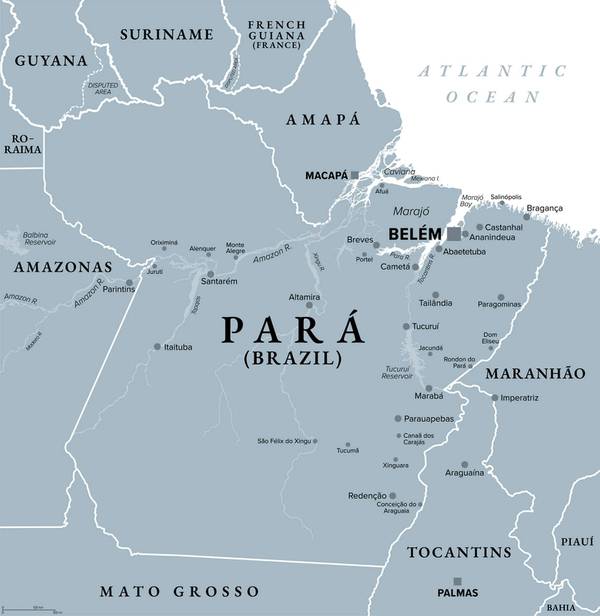
In a statement, Petrobras said it had identified a leak on Sunday in two auxiliary lines connecting its drilling rig to a planned well located off the coast of Brazil's Amazonian state of Amapa, in the northern part of the country.
"The loss of drilling fluid was immediately contained and isolated. The lines will be brought to the surface for evaluation and repair," the company said, without providing details on when drilling would resume.
Petrobrasspent years trying to obtain a license to drill in the region, which is considered to be its most promising oil frontier, as it shares geology with nearby Guyana, where ExxonMobil is developing huge fields.
Brazil's environmental agency Ibama only granted the license after intense pressure from local politicians and President Luiz Inacio Lula da Silva.
Ibama said in a statement on Tuesday it was notified of Sunday's incident by Petrobras.
Activists and non-profit groups have railed against drilling in the region, arguing it could impact the lives of Amapa's Indigenous peoples and the environment, while also warning that a leak would have disastrous consequences for Amapa, a state with a portion of its coast covered by protected mangroves.
A Petrobras incident report seen by Reuters shows that about 15 cubic meters of a "synthetic drilling fluid" leaked in the early hours of Sunday.
The leaked fluid is biodegradable, posing no harm to the environment or to people, or to the safety of Petrobras' operations in the region, the company said.
The leak is likely to prevent drilling for 10 to 15 days, according to a CNN Brasil report. The drilling started in October and is expected to last around five months. The well is the first of seven that Petrobras plans to drill in the region.
(Reporting by Rodrigo Viga Gaier and Marta Nogueira in Rio de Janeiro; Additional reporting by Andre Romani in Sao Paulo; Writing by Fabio Teixeira; Editing by Gabriel Araujo, Matthew Lewis and Paul Simao)

 Subscribe