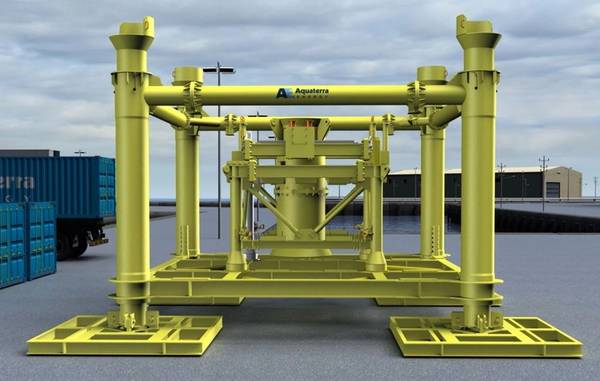
Aquaterra Energy has started fabrication of its first Recoverable Abandonment Frame (RAF) system for the Northern Endurance Partnership (NEP), a U.K. carbon capture and storage (CCS) project aimed at supporting industrial decarbonization.
The RAF system is designed to address the challenge of legacy offshore wells that could compromise future CO2 storage sites by enabling safe well re-entry, remediation and permanent abandonment.
Aquaterra Energy said the patent-pending technology could reduce abandonment costs by up to $26.8 million (£20 million) per well and shorten remediation timelines by as much as 50%.
The system is being fabricated by Derrick Services in Great Yarmouth, with additional components sourced from U.K. suppliers.
NEP underpins the East Coast Cluster industrial decarbonization project and has approval to inject up to 4 million tonnes of CO2 annually from 2028.
“Seeing the first RAF system move into fabrication here in the UK is a major milestone for Aquaterra Energy and a strong example of what British offshore engineering can bring to the global CCS sector.”
“Carbon storage will be critical to industrial decarbonization, but projects cannot scale without confidence in the safe management of legacy wells,” said George Morrison, CEO of Aquaterra Energy.
The RAF system forms part of Aquaterra Energy’s well re-entry and re-abandonment service and is planned for deployment on NEP expansion stores.
“Aquaterra Energy’s RAF system represents an innovative and unique approach to the safe re-entry and permanent abandonment of legacy wells, helping support the long-term integrity of future CO2 storage sites.”
“Seeing the technology now move into fabrication is another sign of progress as offshore CCS in the U.K. moves closer to large-scale delivery,” added Rich Denny, Managing Director of NEP.

 Subscribe