Chrysaor's first operated well offshore Norway has failed to unearth enough hydrocarbons to warrant development and will be plugged and abandoned.
To remind, OKEA, Chrysaor's partner in the offshore license PL973, last week said that the well, targeting the Jerv prospect, had encountered hydrocarbons, but the final results were not yet available at the time.
Come Tuesday, OKEA said Chrysaor had concluded the drilling of exploration well 15/12-25.
"The well encountered a 40 m gas condensate column in the reservoir of good to very good quality. No gas-water contact was observed. The well was not formation tested but coring, sampling, and data acquisition were performed, including pressure data.
The reservoir pressure is highly depleted and the remaining resources are interpreted to be insufficient for development. The well is now being plugged for abandonment and no further data will be acquired," OKEA said.
The well targeted petroleum in reservoirs of Paleocene age (Ty Formation). The well was drilled to a total depth of 2,795 m below mean sea level and terminated in limestone, also assumed to be of Paleocene age. The water depth is 86 m.
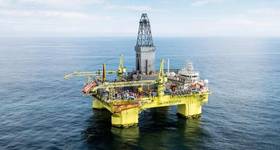
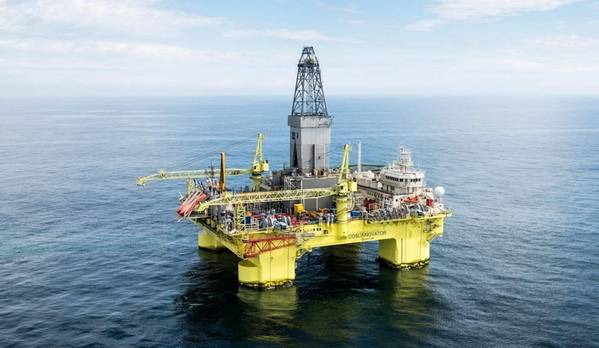
This is the first exploration well drilled in PL973. The well 15/12-25 (Jerv) was drilled by the COSL Innovator semi-submersible drilling rig which will now drill well 15/12-26 (Ilder) in the same license.
Chrysaor Norge AS (operator) holds 50%; OKEA ASA 30% and Petoro AS 20% WI in the PL973 licence.

 Subscribe