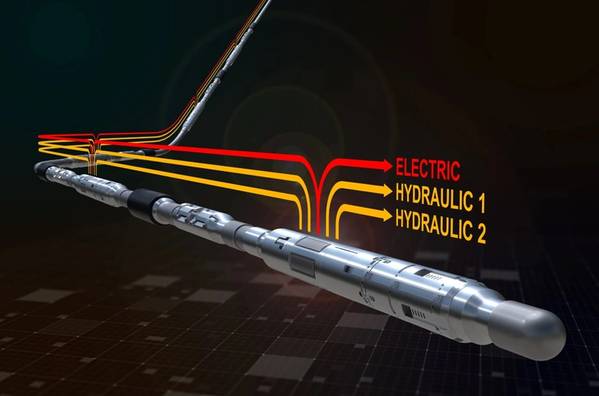
Halliburton has launched the Turing electro-hydraulic control system, the next generation of SmartWell intelligent completions technology, designed to improve reservoir recovery and reduce well count.
The Turing electro-hydraulic control system facilitates fast zonal optimization through integrated position sensors that help operators manage well performance with.
Its simplified, flexible design reduces rig time, operational risk, and production delays, according to Halliburton.
“As the pioneer of SmartWell intelligent completions, Halliburton’s advancements in this technology strengthen our industry leadership. Our new Turing electro-hydraulic control system builds on that legacy. It empowers our customers to improve recovery, manage subsurface uncertainty, and achieve lower costs with greater operational efficiency,” said Maxime Coffin, vice president, Halliburton Completion Tools.
Paired with the Clariti digital reservoir management suite, the Turing electro-hydraulic control system provides customers with added insights and real-time advice on opportunities for well production and field optimization.
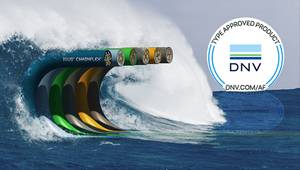
The system can manage up to 12 zones with three control lines, two hydraulic and one single-wire tubing-encapsulated conductor (TEC). The TEC line communicates with downhole sensors through the DataSphere permanent monitoring suite to eliminate additional lines and reduce subsea infrastructure costs.

 Subscribe