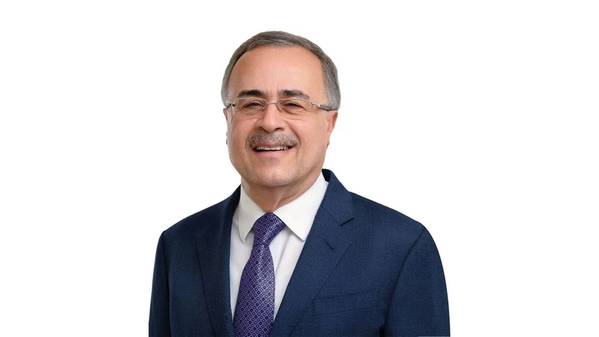
Aramco President & CEO Amin H. Nasser used his address at Energy Asia 2025 to deliver a pointed message: the global energy transition must be rebalanced with pragmatism, especially for fast-growing regions like Asia that are still heavily reliant on conventional energy.
In his speech, Nasser said that the transition narrative of recent years — one that promised a swift, seamless move away from oil and gas — has not aligned with the realities of global demand, particularly in Asia. “We were told it would be rapid, painless, and inevitably mean the collapse of conventional energy. Yet oil demand still exceeds 100 million barrels per day, with no sign of collapsing,” he said.
Calling the transition plan “oversold and under-delivered,” Nasser highlighted the immense cost — potentially as high as $200 trillion — and the growing public skepticism as energy security and affordability challenges mount.
“Wind, solar, and EVs aren’t even meeting today’s demand growth, let alone tomorrow’s,” he said. “That’s why oil and gas remain a crucial part of the energy mix.”
For Asia — home to nearly half of global energy demand — Nasser emphasized that its voice must carry more weight in shaping future energy policy. He warned that without accounting for the region’s scale, development needs, and resources, the energy transition would lack both momentum and feasibility.
Crucially, Nasser rejected the notion that legacy fuels must be abandoned. Instead, he called for investment in emissions reduction technologies and flexible, country-specific transition strategies. “The goal is not to abandon traditional energy. It’s to improve it, while expanding new solutions at a realistic pace,” he said.
His remarks come amid heightened global volatility and ongoing geopolitical disruptions that have kept energy security at the forefront of policy discussions.
Ultimately, Nasser urged collaboration across governments, industry, and innovators — in both new and traditional energy sectors. “Let’s deliver a future that is secure and affordable as well as sustainable,” he said. “And let’s move to a plan that’s grounded in reality.”

 Subscribe