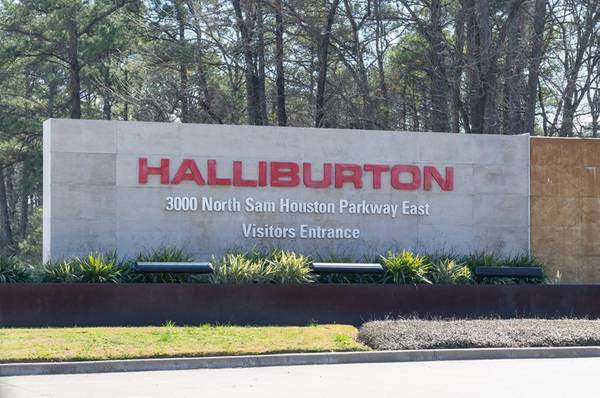
Oilfield services provider Halliburton Co on Tuesday posted a nearly 41% rise in second-quarter adjusted profit compared to the first quarter, and predicted multiple years of growth in demand for drilling.
Driven by high oil prices, the increase was in spite of a $344 million hit from the company winding down assets in Russia in response to its invasion of neighboring Ukraine.
Halliburton and other oilfield companies have benefited as oil prices have held above $100 a barrel LCOc1, up 53% from the same quarter last year, and around 6% higher in the second quarter this year versus the first.
The oil market has been bolstered by western sanctions on Russia, the second-largest crude exporter in the world, following its invasion of Ukraine begun on Feb. 24, which it terms a "special military operation."
Halliburton reported earnings of 49 cents per share versus analysts' estimates of 45 cents, IBES data from Refinitiv showed.
The Houston, Texas-based company's adjusted net income stood at $442 million, or 49 cents per share, for the quarter ended June 30, compared with $314 million, or 35 cents per share, in the previous quarter.
Its shares were up 1% at $29.16 in pre-market trading on Tuesday. They are up 26% year-to-date.
In North America, "pricing gains across all product service lines supported significant sequential margin expansion," during the quarter, Chief Executive Officer Jeff Miller said in a statement. He also forecast international demand for oilfield services would "experience multiple years of growth."
Its North America revenue, which accounts for roughly half of its sales, was 26% higher, driven in part by an increase in hydraulic fracturing and other well-related services.
The North America rig count rose to 750 rigs at the end of the second quarter, compared with around 475 at the same period last year, Baker Hughes data showed.
Net income fell to $109 million from $263 million, mainly due to the pre-tax charge from exiting Russia.
(Reporting by Rithika Krishna in Bengaluru; Editing by Shinjini Ganguli and Barbara Lewis)

 Subscribe