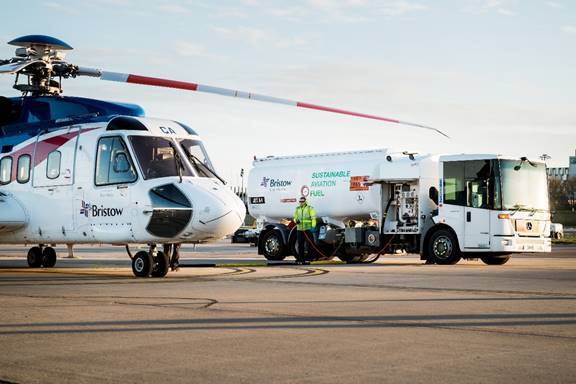
Offshore helicopter giant Bristow Group said Friday it had completed an offshore revenue flight using sustainable aviation fuel (SAF).
The company said that the operation marked one of the first SAF-powered flights to an offshore operation in the UK Continental Shelf (UKCS). The aircraft flew from Aberdeen to installations operated by BP.
Bristow said it had used sustainable aviation fuel, fully certified to Jet A1 standards, as part of a demonstration utilizing a Bristow S-92 helicopter.
Further flights are scheduled over the next two weeks with a view to SAF being provided as an option to all Bristow clients in the future, the company said.
"Utilizing SAF for operational flights is one of many global initiatives, including increased use of electric-powered ground support vehicles at select operating bases, as part of Bristow's efforts to significantly reduce its carbon emissions," Bristow said.
"These first flights have given us the opportunity to demonstrate sustainable aviation fuel's capability and benefits in offshore transportation and are a great first step in our path to reducing carbon emissions," said Matt Rhodes, director at Bristow.
"We look forward to maximizing the positive benefits that sustainable fuel supply will provide for the environment, as well as developing a cost-effective and sustainable solution to help us achieve our operational and environmental goals.
"We've seen great enthusiasm for this initiative from colleagues across our business in our engineering, pilot, and ground support teams and are proud to be able to take these first steps."
Sustainable aviation fuel is made from feedstocks such as used cooking oil and household waste, and its adoption is a key element in the global aviation industry's commitment to reducing its total carbon emissions by 50 percent by 2050, Bristow said.

 Subscribe