Oil prices rose 3% on Wednesday as the U.S.-Israeli war on Iran disrupted Middle East supplies, but the pace of gains slowed from past sessions after President Donald Trump suggested the U.S. Navy could escort vessels through the Strait of Hormuz.
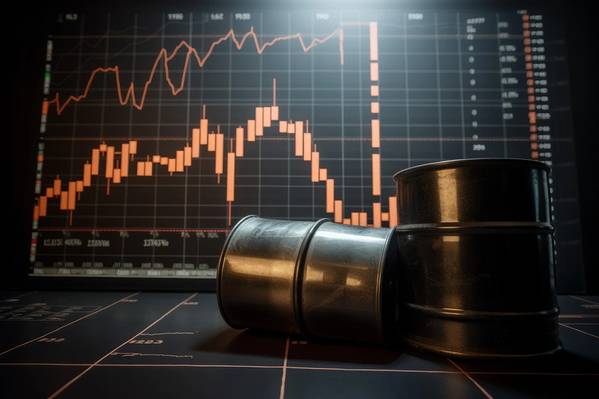
Brent LCOc1 rose $2.67, or 3.3%, to $84.07 a barrel by 0659 GMT, after closing on Tuesday at its highest since January 2025.
U.S. West Texas Intermediate crude CLc1 rose $2.24, or 3%, to $76.8, after settling at its highest since June. Both benchmarks have risen about 5% or more in the past two sessions.
"The primary near-term driver for oil prices remains the US-Iran conflict," said OANDA senior market analyst Kelvin Wong.
"At this stage, only clear signs of de-escalation could mitigate or reverse the current bullish trend for WTI, and such signals are currently lacking."
Israeli and U.S. forces struck targets across Iran on Tuesday, prompting Iranian strikes against energy infrastructure in a region that accounts for just under a third of global oil production.
Iraq, the second-largest crude producer in the Organization of the Petroleum Exporting Countries, has cut output by nearly 1.5 million barrels a day, about half its production, due to storage limits and the lack of an export route, officials told Reuters.
They said the country may have to shut its nearly 3 million bpd of output within days if exports do not resume.
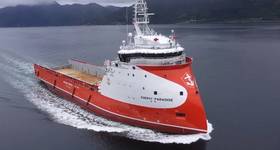
Iran has also targeted tankers in the Strait of Hormuz, through which about a fifth of the world's oil and liquefied natural gas flow. Traffic through the Strait remains effectively closed.
Trump said the U.S. Navy could begin escorting oil tankers through the Strait if necessary, adding that he had ordered the U.S. International Development Finance Corporation to provide political risk insurance and financial guarantees for maritime trade in the Gulf.
"This is welcome news, but clearly it won't happen overnight. Naval escorts would be helpful, but again, this effort will take time," ING analysts said in a note.
Some analysts were unsure if the step would limit oil's uptrend for long.
"Trump's mitigation measures to keep the Strait of Hormuz open do not seem to have triggered a change in the ongoing bullish trend of oil prices," OANDA's Wong said.
WTI crude had managed to hold its ground at the key short-term support level of $73.40/$70.70 a barrel, he added.
Countries and companies have begun seeking alternative routes and supplies. India and Indonesia said they were looking for other energy supplies, while some Chinese refineries were shutting or moving up maintenance plans.
In the United States, crude stocks rose by 5.6 million barrels last week, according to market sources citing American Petroleum Institute figures, well above the 2.3 million projected by analysts.
Official figures from the U.S. government are expected later on Wednesday.
(Reuters - Reporting by Arathy Somasekhar and Trixe Yap; Editing by Himani Sarkar and Clarence Fernandez)

 Subscribe