CapeOmega and Neptune Energy on Wednesday announced NoordKaap, a project concept for a cross-border CO₂ storage solution for industrial emitters across Europe.
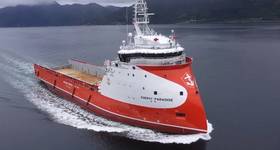
According to Neptune Energy, NoordKaap would involve transporting CO2 via vessels suitable for directly injecting the CO₂ at offshore locations and for terminal offloading.
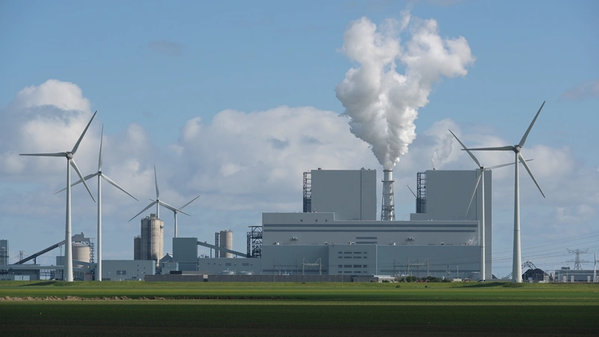
The two companies have signed a letter of intent with RWE to assess the possibility of shipping "green CO2" from RWE's biomass Eemshaven facility for offshore storage in the Dutch North Sea, "resulting in negative emissions" for RWE.
"NoordKaap will examine the potential for a network-based approach to Carbon Capture & Storage (CCS) via marine transport, and could make a crucial contribution to Dutch, Norwegian, and European climate and energy goals. The overall objective of NoordKaap is to provide cost-effective, scalable infrastructure solutions to facilitate large-scale, flexible CO2 transport and storage from multiple industrial emitters clusters," Neptune Energy said in the press release Wednesday.
Per Neptune Energy, NoordKaap aims to offer CCS solutions to industrial clusters where ship transport is the primary or earliest available export option. The project will also examine opportunities for industrial clusters in Germany, Belgium, Scandinavia and northern France.
The project would provide access to CO₂ subsurface storage sites offshore the Netherlands and Norway. NoordKaap is supported by partners Groningen Seaport, KNCC, Vopak and Return Carbon.
NoordKaap is planned to be operational in 2028 and has been submitted to the EU as a Project of Mutual Interest on the 6th PCI List.
Lex de Groot, Managing Director of Neptune Energy in the Netherlands, said: “CO₂ storage is a crucial component for meeting the EU's climate goals and for a well-functioning CCS market. Both emitters and storage providers need to be able to transport CO₂ safely, and we know access to pipelines will be limited for some, so we are focusing on both types of transport to offshore storage facilities: piping and shipping. CCS also supports Neptune’s strategy to store more carbon than is emitted from our operations and from the oil and gas products we sell by 2030.”

 Subscribe