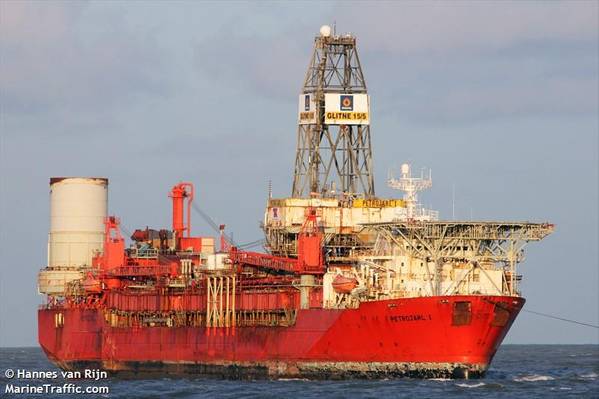
Brazilian oil company Enauta has brought back online oil production from the Atlanta field, following a planned downtime.
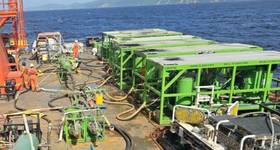
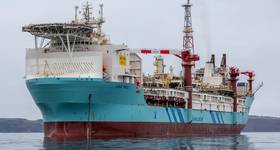
Enauta had said earlier this month that the gradual output resumption would take place by mid-August when a new water treatment and equipment unit that underwent maintenance in the period would be commissioned and complementary services carried out at FPSO Petrojarl I, and that production was expected to return to normal levels by September.
Enauta said Wednesday that production had resumed and was is in the process of normalization.
Located in the Santos Basin, the Atlanta Field is operated and fully owned by Enauta Energia.
The scheduled downtime was aimed at meeting the Ministry of Labor’s normative requirements and preparing the FPSO to be re-certified by DNV.
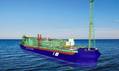
Enauta said earlier this month that the FPSO recertification and FPSO contract extension would enable continued operation until the entry of the Full Development System - a bigger capacity unit called Atlanta FPSO - expected by mid-2024.
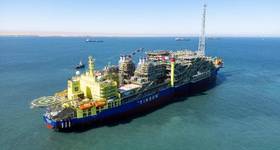
The Atlanta FPSO is being converted in Dubai Drydocks World, including structural upgrades, refurbishment, and enhancement of equipment, and will have a production capacity of 50,000 BOPD, 12.4 MMscfd gas, and storage capacity of 1,800,000 bbl.
The storage capacity is ten times bigger than that of the Petrojarl I has a production capacity of 30,000 barrels of oil per day and a storage capacity of 180,000.

 Subscribe