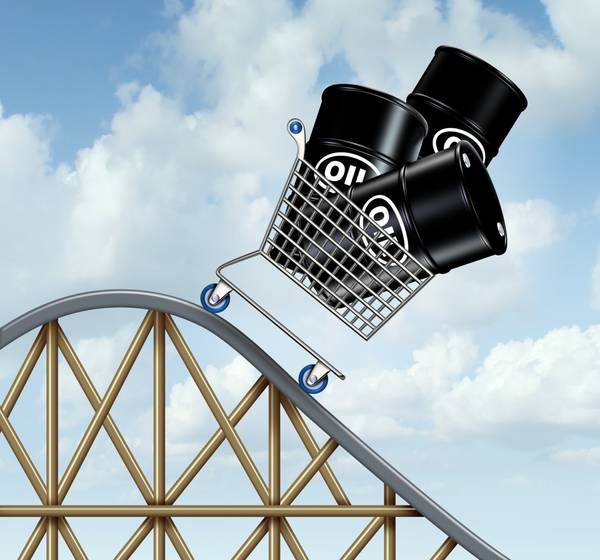
Oil demand could peak as soon as 2025, as the energy transition continues to gain steam and as electric vehicle adoption increases, McKinsey & Company said in a new report.
Christer Tryggestad, a Senior Partner at McKinsey, says: “In the past few years, we have certainly seen the energy transition pick up pace. Every year we’ve published this report, peak oil demand has moved closer. Under our middle scenario assumptions, oil demand could even peak in the next three to five years, primarily driven by electric-vehicle adoption."
“However, even if all countries with net zero commitments deliver on their aspirations, global warming is still expected to reach 1.7°C. To keep the 1.5°C pathway in sight, even more ambitious acceleration is needed.”
According to McKinsey, renewables are projected to grow 3x by 2050, accounting for 50% of power generation globally already by 2030 and 80-90% by 2050. Hydrogen demand is expected to grow 4-6x by 2050, driven primarily by road transport, maritime, and aviation, and hydrogen and hydrogen-derived synfuels are expected to account for 10% of global final energy consumption by 2050.
Rapid technological developments and supply chain optimization have collectively halved the cost of solar, while wind costs have also fallen by almost one-third. As a result, 61% of new renewable capacity installation is already priced lower than fossil fuel alternatives. Battery costs have also fallen by nearly half in the past four year, McKinsey said.
Global oil demand is projected to peak in the next three to five years, and by 2050, CCUS could grow more than 100-fold from an almost non-existent footprint today, with investment opportunities exceeding LNG markets today.
According to McKinsey, future growth in energy investments will almost entirely be driven by renewables and decarbonisation technologies.
Also, despite net-zero commitments from governments and corporations, and 85% renewable power system by 2050, and the rapid update of EVs and decarbonization technologies, global warming is projected to exceed 1.7 degrees.

 Subscribe