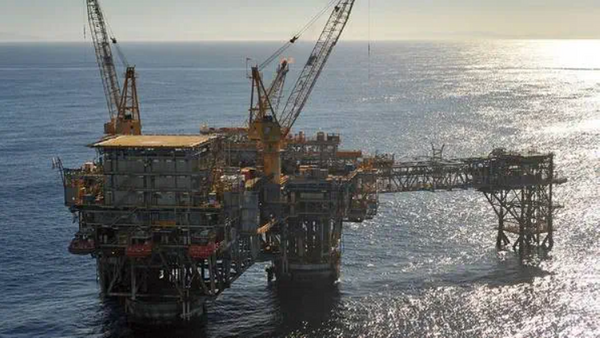
U.S. oil major said ExxonMobil said Thursday today was undertaking early front-end engineering design studies (pre-FEED) to determine the potential for carbon capture and storage to reduce greenhouse gas emissions from multiple industries in the Gippsland Basin.
According to the company, the South East Australia carbon capture and storage (SEA CCS) hub would initially use existing infrastructure to store CO2 in the depleted Bream field off the coast of Gippsland, Victoria. The company said it was in active discussions with local industries which may be interested in accessing the SEA CCS hub to reduce emissions from their operations.
The project is designed to capture up to 2 million metric tons of CO2 per year. If technical and business feasibility is confirmed, the SEA CCS hub could be operational by 2025.
“Collaboration with other industries is an important step to unlock future carbon capture and storage opportunities for Australia, with the potential for large-scale reductions in the highest emitting industrial sectors,” said Joe Blommaert, president of ExxonMobil Low Carbon Solutions. “Sound government policies will accelerate the deployment of key technologies required to support society’s ambition for a net-zero future.”

 Subscribe