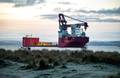
Development costs to first oil for the Sea Lion project off the Falklands have been reduced to US$1.5 billion with more savings possible, according to partner Rockhopper exploration.
The UK-based independent also says the 2C, or proved plus probable reserves, are now 517 MMbbl.
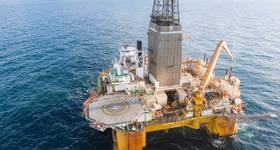
Meanwhile, a dispute over the Eirik Raude drilling rig, used for the recent Falkands exploration campaign on a rig sharing contract between Premier Oil and Noble Energy, continues.
Ocean Rig's contract was terminated in February 2016, due to significant operational issues with the rig, says Rockhopper. "Ocean Rig is claiming termination fees of up to $62.9 million. The operators refute these claims, and are preparing counter-claims against Ocean Rig."
A formal arbitration process has started with a decision not expected until 2H 2017, adds Rockhopper.
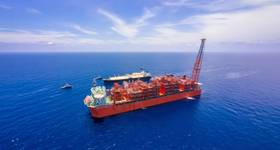
Phase one of the Sea Lion project is expected to use a converted Suezmax tanker, with 18 wells, estimated at costing $1.8 billion earlier this year up to first oil, as part of a two-phase “Sea Lion Complex” project targeting 520 MMboe.
Phase two is due to use a converted very large crude carrier. Phase three, called “Exploration Upside,” will target a further 400 MMboe unrisked, Pmean from the Isobel and Elaine discoveries. Premier is targeting a final investment decision for the Sea Lion Complex in 2H 2017 with first oil due in 2020, the firm told OE earlier this year.
Rockhopper says the cost savings on the Sea Lion field, operated by Premier Oil, have been reduced during front end engineering and design and resulted in a project break-even price of $45/bbl.
David McManus, Rockhopper's chairman, said: "We continue to make very good progress in advancing the Sea Lion development, taking advantage of the current industry backdrop to reduce costs and the break-even oil price required to sanction.
"The results of the highly successful exploration campaign and the subsequent independent resource audit further supports Rockhopper’s view that the North Falkland Basin has the potential to deliver multiple future phases of development and, ultimately, a billion barrels of recoverable oil."
Read more

 Subscribe