Colombia yet again made another push this year at IHS CERAWeek in Houston to alert the oil and gas industry that not only is the South American country open for business, like that of its northern competitor Mexico, but that it is willing to work toward improving terms to make the country more attractive for unconventional and deepwater plays.
Colombia’s Minister of Mines and Energy, Tomás González Estrada said the country needs to focus on three areas: unconventionals, deepwater, and enhanced oil recovery.
“We’re not leaving anything unexamined,” he said. “We need to be market-driven.”
When asked about Colombia’s bid round process, González said the country is looking at several options. “At the current level of prices, and competition, we need to be more open,” he said. “We need to have more permanent rounds, and also open up to direct negotiations.”
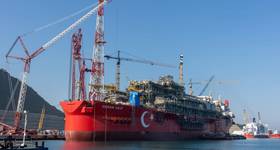
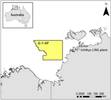
González also confirmed that Colombia is still committed to offshore, and is currently working to improve investor incentives for deepwater, including lower income taxes, and extending the time requirements for production contracts. He noted the December 2014 gas discovery made by Brazil’s Petrobras in partnership with Spain’s Repsol and Colombia’s state-owned firm Ecopetrol at the Orca-1 exploration well in the Tayrona block, 40km offshore Colombia. “We’re very optimistic from the level of activity we are seeing,” he told the CERAWeek crowd.
Colombia has maintained a presence at CERAWeek for the last several years, including using the conference as a stop for its US road show for its previous 2014 bid round. This year, Colombia's national hydrocarbon agency, ANH, is here to spur investment. During his speech, González highlighted Colombia’s growth over the last several years and touted several positives including: a strengthened armed forces, reduced poverty, and new infrastructure projects, including new roads. González said all this was owed to the energy sector.
However, the low oil price environment along with conflicts between armed rebel groups have softened Colombia’s production gains. González reiterated that when it comes to the energy industry, and the importance of oil to the country, it intends to be more flexible, including changing expiration commitments, making royalties more flexible, too.
Security risks
Colombia has been involved in a 50-year conflict with armed rebel groups. González addressed this problem saying that, “For the first time, we have a real chance for peace with the FARC (the Revolutionary Armed Forces of Colombia).” González said that five items are being discussed between Colombia’s government and rebel leaders including cultural reform, drug trafficking, and disarmament. “Colombia supports the process,” he said. “For some, maybe it isn’t moving fast enough, but we have a real chance. The peace process is stronger. Things will continue to move forward.”
John Drake, of international risk mitigration firm Ake Group, said in OE’s January 2015 issue that Colombia said that even if peace talks failed, and attacks by rebels increased in the country, there is little risk to Colombia’s offshore interests. “The rebels simply do not have the capacity to target maritime interests, or even the airports and transport routes that energy workers use to travel to and from their work in the country,” he said at the time.
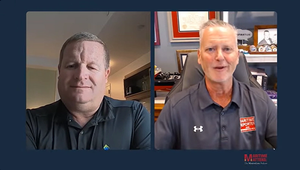
Image: Colombia's Energy Minsiter González at CERAWeek 2015. Photo by OE Staff.
Read more

 Subscribe