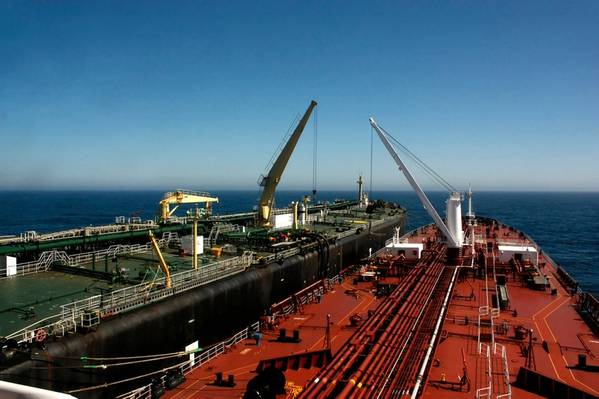
A new shuttling system is reshaping the Middle East oil market, as producers seek to keep exports flowing despite the escalating regional conflict. The question now is whether this complex, expensive process is a stopgap measure or the global energy market’s new normal.Several miles off Oman's coast, south of the Strait of Hormuz, rows of tankers lie at anchor. Many sit alongside each other, connected by ropes and hoses as they transfer crude from one vessel to another…

Oil prices fell to a two-week low on Tuesday as prospects for Gulf supplies improved, with Iran signaling it could reopen the Strait of Hormuz within seven days and Saudi Arabia set to resume exports from its Red Sea port of Yanbu.The Brent crude futures LCOc1 November contract was down $2…

A total of 17 commodity vessels transited the Strait of Hormuz on the weekend, down from 37 a week earlier, shipping data showed on Monday, as tension in the Gulf persisted with the US and Iran in stalemate.Visible traffic through the strait…
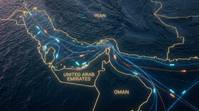
Commodity vessel transits through the Strait of Hormuz dwindled to just three ships on Wednesday, down from 12 a day earlier and well below the 10-day average of about 17, preliminary ship-tracking data showed on Thursday.The figures exclude…

Oil prices settled $3 higher on Tuesday after shipping industry sources said crude loadings at Saudi Arabia's Red Sea export hub of Yanbu had been suspended and Riyadh had canceled some cargo deliveries to European customers, deepening concerns…

Global oil supply and demand will fall further than previously thought this year, the International Energy Agency said on Friday, as a lack of progress in ending the Iran war delays the return of normal Middle East flows into 2027 and sends fuel prices soaring…

The Iran war's redrawing of the global trade map is forcing Gulf nations to retool their investment play book, ploughing capital into infrastructure, from energy pipelines to ports, to weather the fallout from the conflict.The war has highlighted the Gulf's overreliance on the Strait of Hormuz…
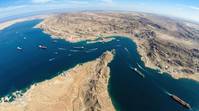
Iran is preparing a list of conditions for reopening the Strait of Hormuz after mediators asked Tehran to set them out, said Mohsen Rezaei, secretary of Iran's Supreme National Security Council, adding that ending the regional war was among them…
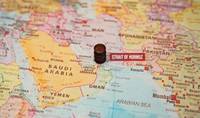
Shipping traffic at the Strait of Hormuz rose slightly even as a standoff persisted between the United States and Iran, data showed on Thursday, while the market monitored Iran-Oman talks about the waterway.Visible commodity vessel transits at Hormuz totalled 10 on Wednesday…
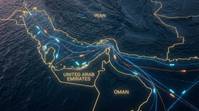
Oil prices fell more than $2 a barrel on Wednesday as talks between Iran and Oman revived hopes that the Strait of Hormuz could reopen and remove shipping constraints affecting supply in the key Middle East region.Brent crude futures LCOc1 fell $2…

Iran has issued a warning that vessels violating its arrangements for transiting the Strait of Hormuz could face restrictions, including fines, detention, or confiscation, the Persian Gulf Strait Authority wrote in a post on X.The warning heightens…
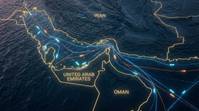
Oil extended gains on Friday amid further concerns around the opening of the Strait of Hormuz, as Iran, working with Oman, suggested banning vessels deemed hostile from the strait and heavily fining those which violated the proposed rules.Brent crude futures LCOc1 were up 85 cents…

Oil prices rose on Tuesday as a diplomatic resolution to the U.S.-Iran conflict remained uncertain, while disruptions to oil flows through key shipping routes persisted.Front-month Brent futures LCOc1 rose $1.04, or 1.24%, to $84.81 a barrel…

A QatarEnergy-controlled liquefied natural gas tanker exited the Strait of Hormuz overnight, the first such vessel recorded by ship-tracking data leaving the waterway since July 11, data from analytics firms showed on Thursday.The Al Areesh…

Tehran has ruled out Oman's proposal for regional joint management of the Strait of Hormuz, a senior Iranian official told Reuters on Wednesday, scuppering hopes for a resolution to the impasse that has choked off Gulf trade for months.Oman…

 Subscribe