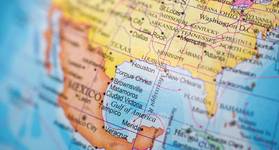
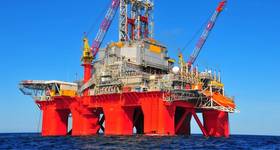
Texas A&M Corpus Christi’s Harte Research Institute (HRI) discusses the state of the Gulf of Mexico five years after the BP Deepwater Horizon spill.
In this video, the HRI scientists say that the Gulf of Mexico remains resilient after the second largest oil disaster in world history. However, long term effects remain a mystery in regards to marine animals.
The scientists are leading the efforts to study the spill’s impact from the deepest waters of the Gulf of Mexico to the people that live along the coast. A team of about 2000 researchers around the Gulf is helping in the research.
Looking forward, the oil spill has created opportunities for an unprecedented research on both the long-term impact of major oil spills and the environmental health of the Gulf of Mexico.
The summer’s research will cover coastal areas, fisheries and deep-sea regions affected by the catastrophe, as well as the social and economic consequences of the spill.
HRI also will team with UNAM-Sisal, a leading Mexican marine research institute, to carry out a three-year biodiversity study of the southern Gulf of Mexico.
Read more:

 Subscribe