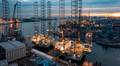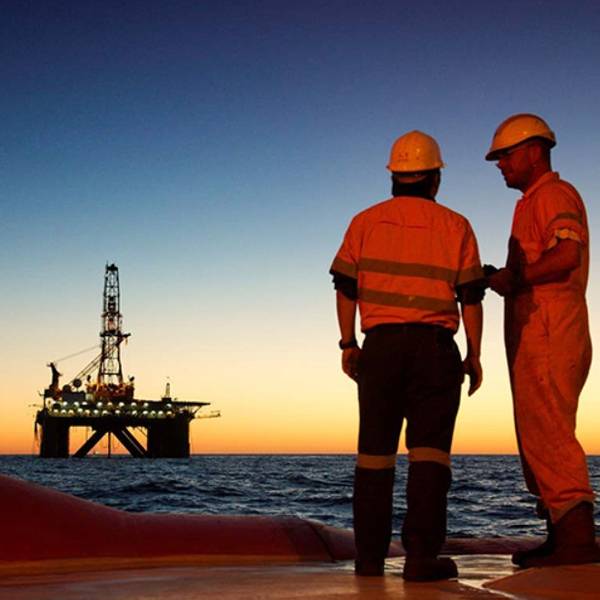
Workers at Inpex’s Ichthys liquefied natural gas facility in Australia have voted in favour of strike action over pay and conditions, union group the Offshore Alliance said on Friday, in a decision that could exacerbate already tight energy supplies globally.
Over 98% of workers who voted were in favour of strike action, a spokesperson said in a statement.
"The results of the ballot are clear: a huge majority of Offshore Alliance members are in favour of exercising their right to take strike action in pursuit of their bargaining claims," the statement said.
Offshore Alliance members have endorsed various forms of potential industrial action including work stoppages ranging from 30 minutes to 24 hours.
Workers at the facility are theoretically able to commence strike action from May 7, though the union group said it had agreed to hold off on any action until May 15 while the two sides engage in 6 days of talks.
A strike at the 9.3 million metric-ton-a-year facility in Darwin is being closely watched by Japanese power and gas utilities that buy from it.
Australia is Japan's largest LNG supplier, and the country is already facing a possible supply crunch due to the Iran war and rising air-conditioning demand as Japan heads into summer.
An Inpex spokesperson said last Friday a majority of eligible employees had rejected a pay deal tabled by the company.
The company was not immediately reachable for comment on Friday.
The Offshore Alliance, a grouping of the Maritime Union of Australia and the Australian Workers Union, had previously flagged that its 430 members would vote against the new contract, which it said does not meet benchmark industry standards for wages and conditions.
The Ichthys workforce is around 95% unionised, according to a union representative.
The protected action ballot was given approval by Australia’s Fair Work Commission earlier in April.
In 2023, a strike by Offshore Alliance members at Chevron’s Wheatstone facility in Australia tightened global LNG supply.
More than 20% of the world’s LNG supply has been constrained by the closure of the Strait of Hormuz since the start of the Iran war on February 28.
(Reuters - Reporting by Helen Clark in Perth and Yuka Obayashi in Tokyo, Writing by Alasdair Pal, Editing by William Maclean)

 Subscribe