The offshore oil and gas industry is moving further into deeper and colder waters in remote locations thanks to advancing technologies. Ulstein provides products and solutions in support of safer, smarter and greener operations.
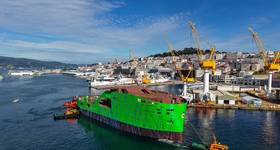
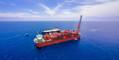
The OCV/subsea vessel design SX121, is being designed in customized versions for GC Rieber Shipping and Island Offshore. The vessel’s design can be tailored for several offshore construction and subsea operations in deep and ultradeep waters both below and above the Arctic Circle.
Deepwater and ultradeepwater projects occur outside of the continental shelf at water depths between 400 and 1,500 m—with some depths reaching greater than 1,500 m respectively This type of environment requires vessels that are reliable and safe, cost-efficient and environmentally sound.
“We aim to develop ships that can operate reliably, safely and efficiently in harsh conditions with as small an environmental footprint as possible. The robust configuration, system integration and X-BOW® hull line of the SX121 ensure safety and comfort for the crew, an increased operational window and significantly reduced environmental impact,” said sales manager in Ulstein Design & Solutions, Lars Ståle Skoge.
Currently, there are four sailing SX121 vessels designed and built by Ulstein. The vessels operate in different segments, such as offshore construction, riserless-well intervention and inspection, maintenance, and repair, have received very good feedback.
“The SX121 is a compact vessel that can perform deepwater and ultradeepwater operations where larger vessels are commonly used,” said Håvard Stave, Ulstein Verft sales manager.
“The typical SX121 vessel operates at depths down to 3,000 m, comprimising most oil & gas activities. The need to deploy heavier equipment in deep waters such as offshore Brazil and Africa and in the Gulf of Mexico, has spurred market interest in OCV vessels with a 400-tonne crane, which we’ve now incorporated in the SX121 design.”
In order to optimize capacities and performance of the vessel, the freeboard has been increased by 1 m compared with the previously built vessels of this design. This improves safety and ensures a dry work deck. In addition, the helideck has been moved further back in order to increase the weather window for helicopter landings.
The vessel’s X-BOW provides good motion characteristics for safe operations, and reduces the vessel’s environmental footprint through lower fuel consumption and reduced emissions. With optimized resolution of the power generation plant, the vessel will have high fuel efficiency in all operational modes.
The vessel accommodates a crew of 130 and complies with all international requirements for comfort and safety.
 Subscribe