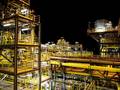
Norway's Petroleum Safety Authority has issued an order to Statoil following the investigation of a hydrocarbon leak at Statfjord C on 26 January 2014.
The investigation identified serious breaches of the regulations, said the PSA today. The hydrocarbon leak happened in connection with the transfer of stabilized oil from Statfjord A to Statfjord C.
While the transfer was taking place, a mud pump in the Statfjord C shaft was being readied for maintenance.
An isolation valve for this mud pump leaked and the pump housing filled with oil. This oil was drained into a sump tank at the bottom of the shaft via an open drain valve.
Once the level in the sump tank rose to 70%, the pump started so as to transfer the fluid in the sump tank to the oily water tank under the cellar deck. The valve for regulating the level in the oily water tank did not open and oil leaked through water locks on the cellar deck.
Statoil calculated that up to 42cu m of stabilized oil escaped in about 37 minutes, at a leak rate of 20.8kg/sec. Forty cubic meters are estimated to have spilt to the sea, while 2cu m dispersed over the installation.
There were 270 people on the installation, and no personal injuries have been reported as a result of the incident. Production was shut down for almost four days owing to the leak.
The PSA’s investigations found six nonconformities to regulations. These related to:
Based on the findings made during the investigation, the PSA issued Statoil with a notification of order. It ordered Statoil to review its system for following up and identifying the reasons why the technical, operational and organizational weaknesses, faults and deficiencies which have been identified, had not been identified, and to implement the necessary measures.
Four improvement points were also identified. These include critical comments from the PSA concerning parts of Statoil’s own investigation concerning classification of the leak, its potential consequences and a failure to address the underlying causes of the incident adequately.

 Subscribe